

Where Should An Air Conditioner Be Installed?
A Homeowner's Guide To Getting It Right
Buying the right air conditioner is an important decision, but choosing where it's installed can have just as much impact on your comfort, energy bills and long-term satisfaction. Many homeowners spend weeks comparing split system air conditioners, reading reviews and researching features, yet very little time is spent thinking about the location of the system itself.
The truth is, even efficient air conditioners can struggle to perform if they're installed in the wrong place. Poor positioning can create uneven temperatures, increase running costs, make the system noisier than it needs to be and even shorten its lifespan.
Whether you're considering split system air conditioning for a single room or planning a larger upgrade, understanding how placement affects performance will help you make a better decision before installation day arrives.
It's Not About Finding An Empty Wall
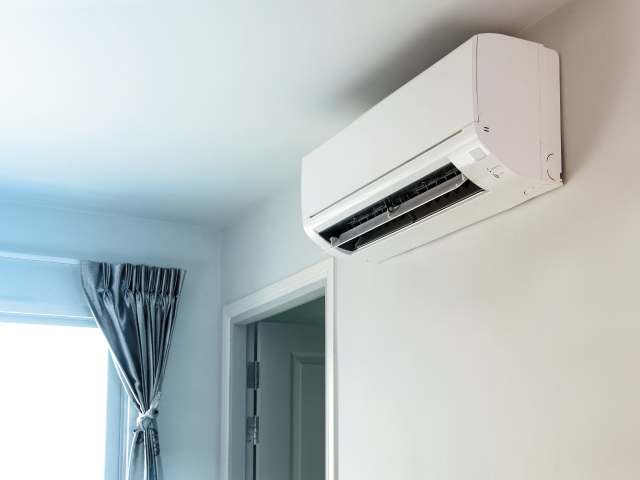
One of the biggest misconceptions about air conditioning installation is that the indoor unit simply goes wherever there's enough wall space.
In reality, professional installers consider far more than that.
The position of an air conditioner affects how cool air moves through the room, how quietly the system operates, how easy it is to maintain and even how the room feels to live in every day.
A wall that appears convenient may create poor airflow, blow directly onto seating areas or make future servicing unnecessarily difficult.
Good installation is about finding the location that allows the system to perform at its best while blending naturally into your home.
The Best Position Isn't Always The Most Obvious One
Homeowners often have an idea of where they'd like their air conditioner installed, usually based on appearance.
While aesthetics are certainly important, they're only one piece of the puzzle.
For example, placing the indoor unit above a doorway may seem like a tidy solution, but if that position prevents air from circulating throughout the room, comfort can suffer.
Likewise, installing a unit in the first available space may create unnecessary noise or make maintenance more difficult in the future.
An experienced installer looks at the room as a whole before recommending the best location. They consider airflow, furniture placement, window orientation, ceiling height and how the room is actually used throughout the day.
Sometimes the best location isn't the most obvious one—but it often delivers the best long-term result.
Choosing The Right Air Conditioner Starts With Understanding The Room
Many people focus on comparing brands before they've considered whether they've selected the right air conditioner for the space.
Every room is different.
Large open-plan living areas have different cooling requirements to bedrooms. Rooms with high ceilings behave differently to smaller enclosed spaces. Sunlight, insulation and window placement all influence how an air conditioner performs.
This is also why choosing the correct size air conditioner is so important.
A system that's too small may run continuously without reaching the desired temperature, while one that's oversized may cool the room too quickly before properly removing humidity from the air.
Selecting the right size air conditioner, combined with thoughtful placement, creates a home that's consistently comfortable rather than constantly needing temperature adjustments.
Think About Where You Spend Most Of Your Time
This is one of the simplest considerations, but it's often overlooked.
Imagine relaxing on the couch every evening with cold air blowing directly onto you for hours. Or waking up during the night because the air conditioner is pointed straight at the bed.
The goal isn't simply to cool the room.
The goal is to make the room comfortable.
That's why installers often position split systems so airflow circulates around the space instead of directly onto the people using it.
Small placement decisions like these can make a noticeable difference to everyday comfort.
Your Furniture Can Affect How Well Your Air Conditioner Works
When planning an air conditioning installation, it's easy to focus on the walls and forget about everything else in the room. However, furniture plays a surprisingly important role in how effectively your system distributes air.
Large bookshelves, floor-to-ceiling curtains, entertainment units and tall wardrobes can all interrupt airflow, preventing cool air from reaching other parts of the room. The result can be noticeable hot and cold spots, even when the air conditioner is operating correctly.
It's also worth thinking ahead. If you're planning to renovate or purchase larger furniture in the future, the ideal installation location today may not be the best location in five years' time.
Professional installers don't simply look for an empty wall—they consider how the entire room functions so the air conditioning system can deliver consistent comfort throughout the space.
Nobody Wants Cold Air Blowing Directly On Them

Modern split system air conditioners are designed to distribute air evenly throughout a room, but their effectiveness depends heavily on where they're installed.
Direct airflow can leave one part of the room feeling too cold while other areas remain warm.
During winter, the opposite can happen, with warm air failing to circulate evenly throughout the space.
Ideally, airflow should move naturally across the room before gently circulating back towards the unit.
This creates a more balanced indoor climate while reducing the temptation to constantly adjust the thermostat.
Whether you're installing a reverse cycle split system for year-round comfort or upgrading an older model, airflow should always be considered before installation begins.
Don't Forget About The Outdoor Unit
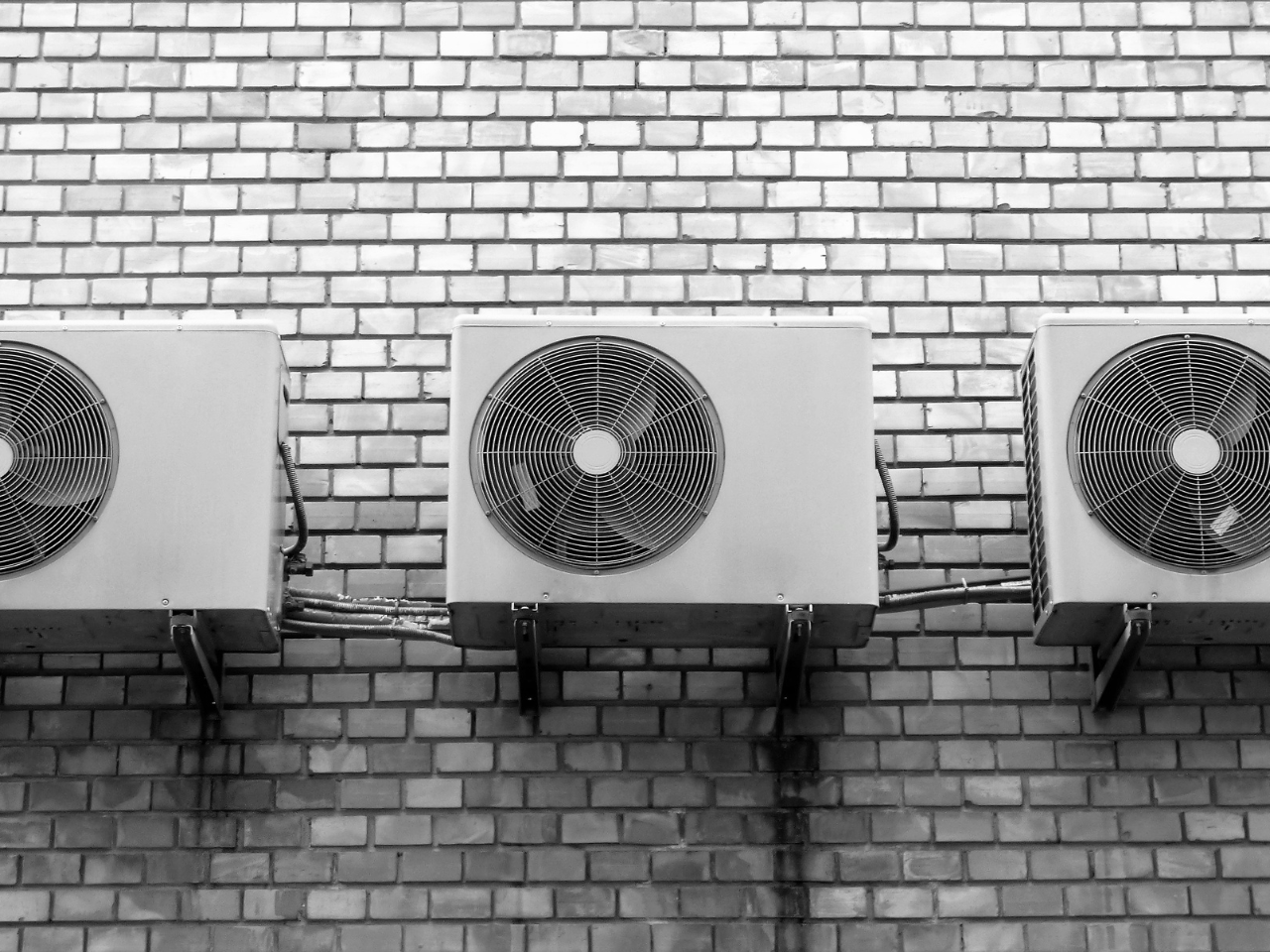
The outdoor unit is easy to overlook because it's hidden outside the home, but it's just as important as the indoor unit.
It needs adequate airflow around it, room for future maintenance and a location that won't create unnecessary noise for your household or your neighbours.
Poor placement can also make servicing difficult, particularly if the unit becomes boxed in by landscaping, fencing or future renovations.
Professional installers think about today and the years ahead.
Can a technician easily access the unit for maintenance?
Will nearby plants eventually restrict airflow?
Could future building work create problems?
These are questions worth asking before installation—not after.
Direct Sunlight Can Affect Comfort More Than You Think
Not every room experiences the same amount of heat throughout the day. Large north or west-facing windows, extensive glazing and limited shading can significantly increase indoor temperatures, particularly during Sydney's hotter months.
These factors influence more than just how warm a room feels—they also affect how hard your air conditioner needs to work.
Rooms that receive prolonged afternoon sun may benefit from different system sizing or alternative indoor unit positioning to achieve more even temperature control.
By considering sunlight, insulation and the orientation of the home during the planning stage, installers can recommend solutions that improve both comfort and long-term energy efficiency.
The Quietest Spot Isn't Always The Best Spot
Many homeowners naturally want to hide the outdoor unit as far away as possible.
While reducing noise is important, moving the unit a long distance from the indoor system isn't always the best solution.
Longer pipe runs may increase installation complexity and reduce overall efficiency depending on the property.
Similarly, placing the outdoor unit in confined spaces can restrict ventilation, making the system work harder during Australia's hottest summer days.
Finding the right balance between performance, accessibility and appearance is usually the best outcome.
Your Air Conditioner Needs To Be Easy To Maintain
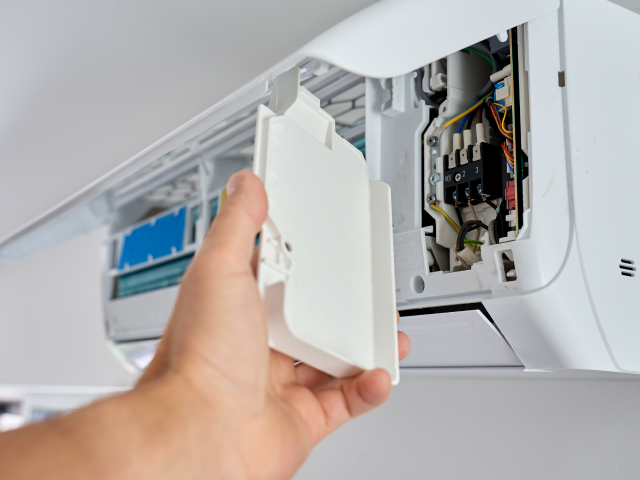
Every air conditioning system requires routine maintenance to continue operating efficiently.
Filters need regular cleaning, outdoor units require servicing and technicians need safe access to inspect the system over time.
Installing an air conditioner in a difficult-to-reach location may seem like a good idea initially, but it can make future maintenance more complicated and sometimes more expensive.
When planning an installation, experienced professionals think beyond the first day. They consider how the system will be serviced five or even ten years from now, ensuring both the indoor and outdoor units remain accessible without unnecessary difficulty.
Planning Renovations? Think About Tomorrow As Well As Today
Air conditioning should be planned with the future in mind.
Perhaps you're thinking about building a deck, extending the alfresco area or renovating the kitchen next year.
These changes can all affect where an air conditioner should be installed today.
For example, an outdoor unit that seems perfectly positioned now could end up trapped behind a future pergola or extension, making maintenance difficult and restricting airflow.
Thinking ahead during installation can prevent expensive relocation work later.
Small Details Can Have A Big Impact
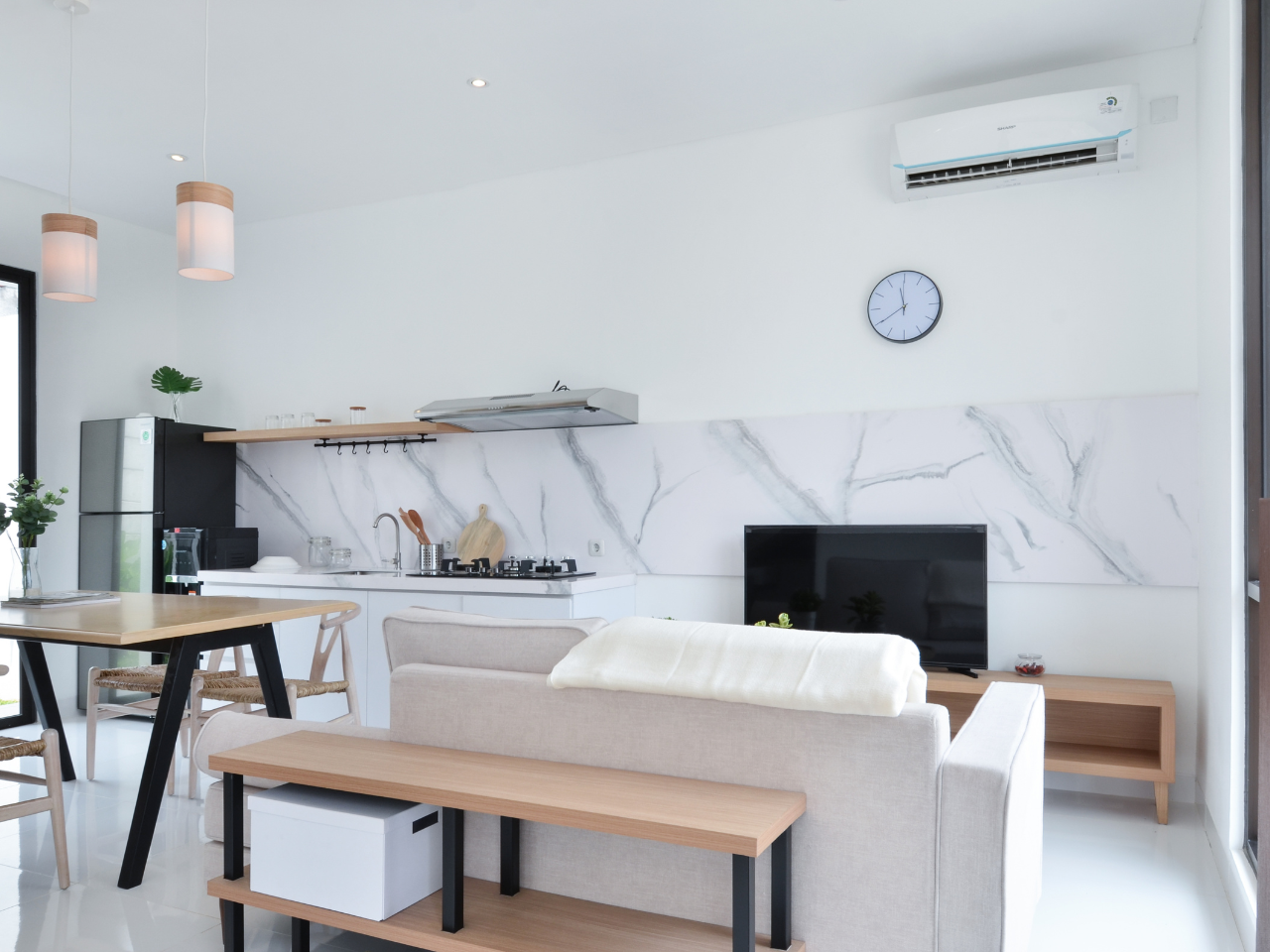
There are dozens of small installation details that homeowners rarely think about until they're living with the system every day.
For example:
- Will curtains block the airflow?
- Will sunlight affect the thermostat reading?
- Can the condensate drain properly?
- Is the remote control sensor easy to access?
- Will the system be easy to clean?
Many modern systems also include advanced filter technology, with some incorporating features similar to an air purifier to improve indoor air quality.
Ensuring these features remain accessible for routine cleaning and maintenance helps keep the system operating efficiently.
These small considerations often separate a good installation from a great one.
Don't Compare Air Conditioners On Energy Rating Alone
It's easy to assume the highest energy rating automatically means the lowest running costs.
While energy efficiency is certainly important, installation quality also plays a major role.
An efficiently designed home with a correctly sized system, good airflow and professional installation will often outperform a premium system that's been poorly positioned.
When comparing cycle air conditioners, look beyond the specifications.
Ask how the system suits your home.
Ask whether it's the right size.
Ask how the installation will affect long-term performance.
Those answers are often more valuable than comparing brochures.
Portable Air Conditioners Or Fixed Systems?
Some homeowners initially consider portable air conditioners because they appear simple and inexpensive.
While portable units may provide temporary cooling for smaller spaces, they generally can't match the comfort, efficiency or quiet operation of professionally installed split system air conditioning.
For homeowners planning to stay in their property long-term, fixed systems usually provide a far better experience while adding value to the home.
Professional advice can help determine which solution best matches your lifestyle and budget.
A Great Installation Should Feel Like It Was Always Meant To Be There
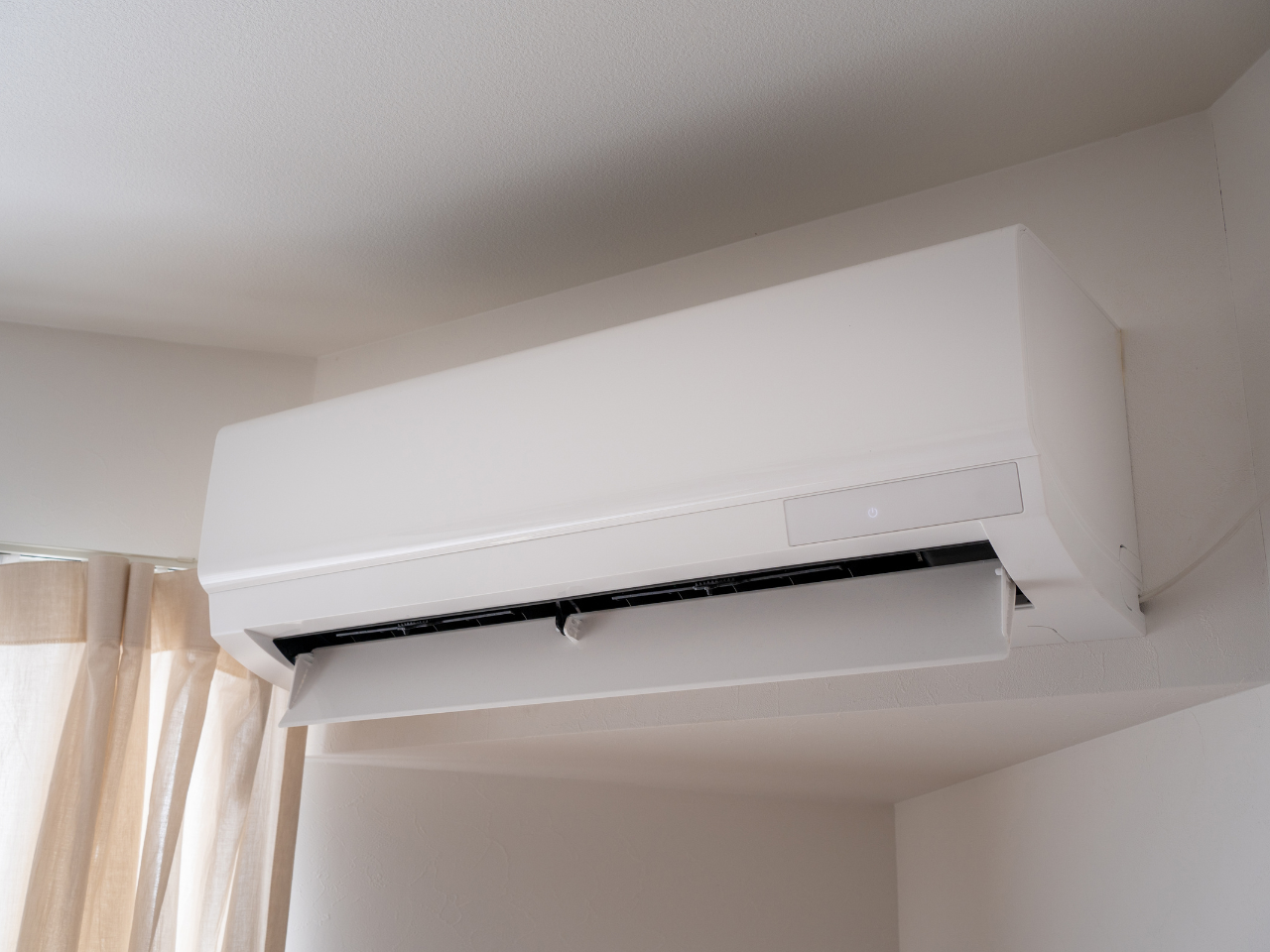
The best air conditioning installations rarely attract attention—and that's exactly the point.
When a system has been thoughtfully planned, it blends naturally into the home. Air flows evenly throughout the room, the indoor unit feels unobtrusive and the outdoor unit operates quietly without dominating the outdoor space.
Equally important is the quality of the workmanship. Neat pipework, carefully planned drainage and tidy electrical connections all contribute to an installation that looks professional and performs reliably for years to come.
A well-installed air conditioning system shouldn't constantly remind you it's there. It should simply make your home feel more comfortable every day.
Need Help Choosing The Right Location?
Every home is different, which is why there isn't a single placement solution that works for everyone.
At Tradies Today Australia, we take the time to understand your home's layout, how you use each room and what you're hoping to achieve before recommending an installation approach.
Whether you're installing your first split system or upgrading to a new reverse cycle air conditioning system, professional advice can help you avoid costly mistakes and enjoy better comfort for years to come.