

When Do I Need A Gas Compliance Certificate?
Understanding Gas Compliance Requirements In NSW
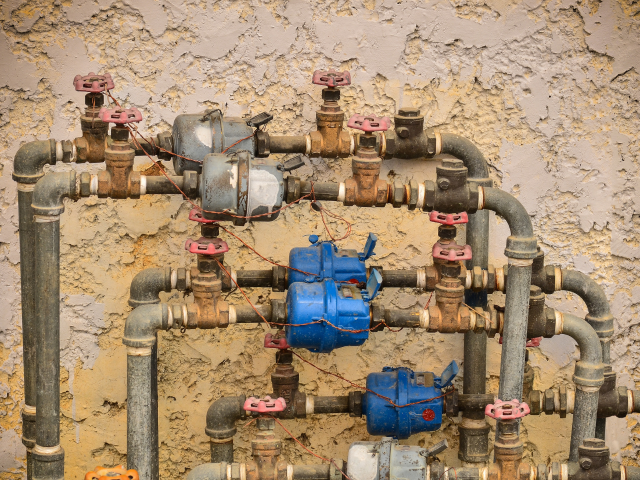
Gas compliance certificates are required after certain types of gasfitting work are completed in NSW. They confirm the work has been carried out by a licensed gas fitter, the installation has been tested correctly, and the gas system complies with current safety standards.
For most homeowners, the topic usually comes up during renovations, appliance installations, LPG upgrades, or property sales. In other situations, a gas supplier or network provider may request compliance documentation before reconnecting the gas supply to the property.
While the process can sound technical, the purpose is fairly straightforward. Gas compliance certificates exist to make sure gas installations are safe to use and properly documented.
This includes everything from gas cooktops and hot water systems through to caravan LPG setups and larger commercial gas installations.
Call 02 8188 5396 or book online today to arrange your gas compliance inspection.
What Is A Gas Compliance Certificate?
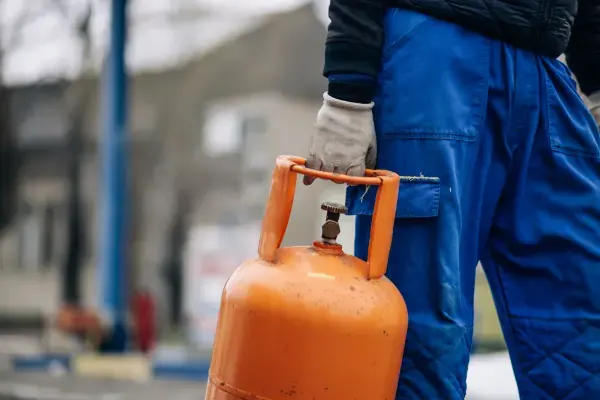
A gas compliance certificate is an official document issued by a licensed gas fitter after completing gasfitting work on a gas installation connected to a gas network.
The certificate confirms the installation has been inspected, tested for defects, and complies with current gas safety requirements in NSW.
In practical terms, this can apply to work involving:
- gas appliances
- gas pipework
- LPG systems
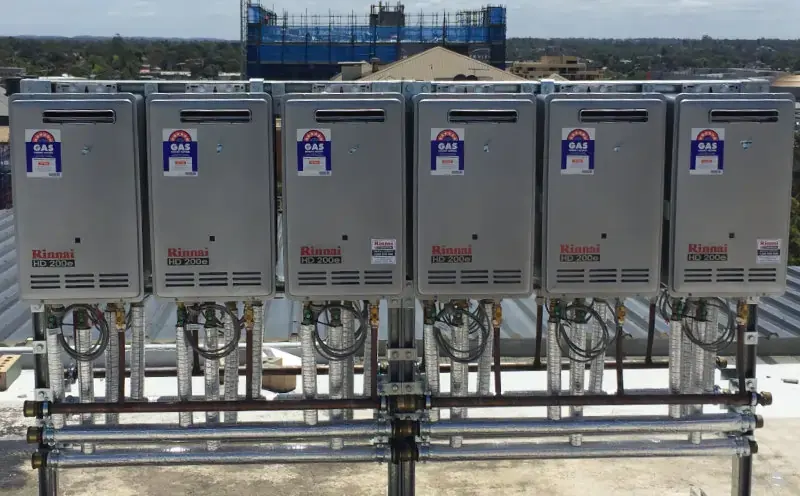
- gas hot water systems
- ovens and cooktops
- heaters
- commercial gas equipment
In NSW, gasfitting work is regulated under the Gas and Electricity (Consumer Safety) Act 2017 and associated regulations.
What Is Considered Gasfitting Work?
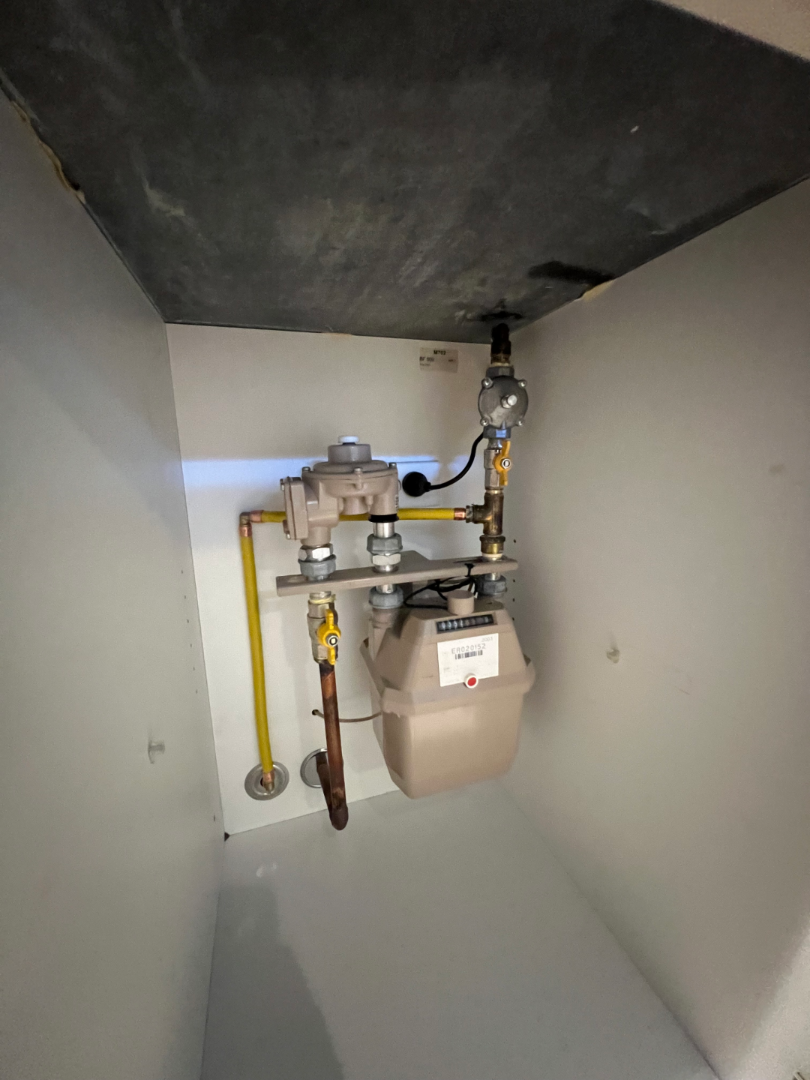
A lot of people assume gasfitting work only applies to major installations or large commercial projects.
In reality, it covers a much broader range of work.
Gasfitting work can include installing, repairing, altering, extending, or disconnecting gas installations and appliances. It also includes work involving gas regulators, LPG systems, gas pipework, flues, and appliance connections.
Even relatively small changes to an existing gas installation may still require certification by a licensed gas fitter.
This is one reason gas compliance becomes relevant during kitchen renovations and appliance upgrades. Work that seems minor on the surface may still fall under gas compliance requirements.
Common Situations Where You May Need A Gas Compliance Certificate
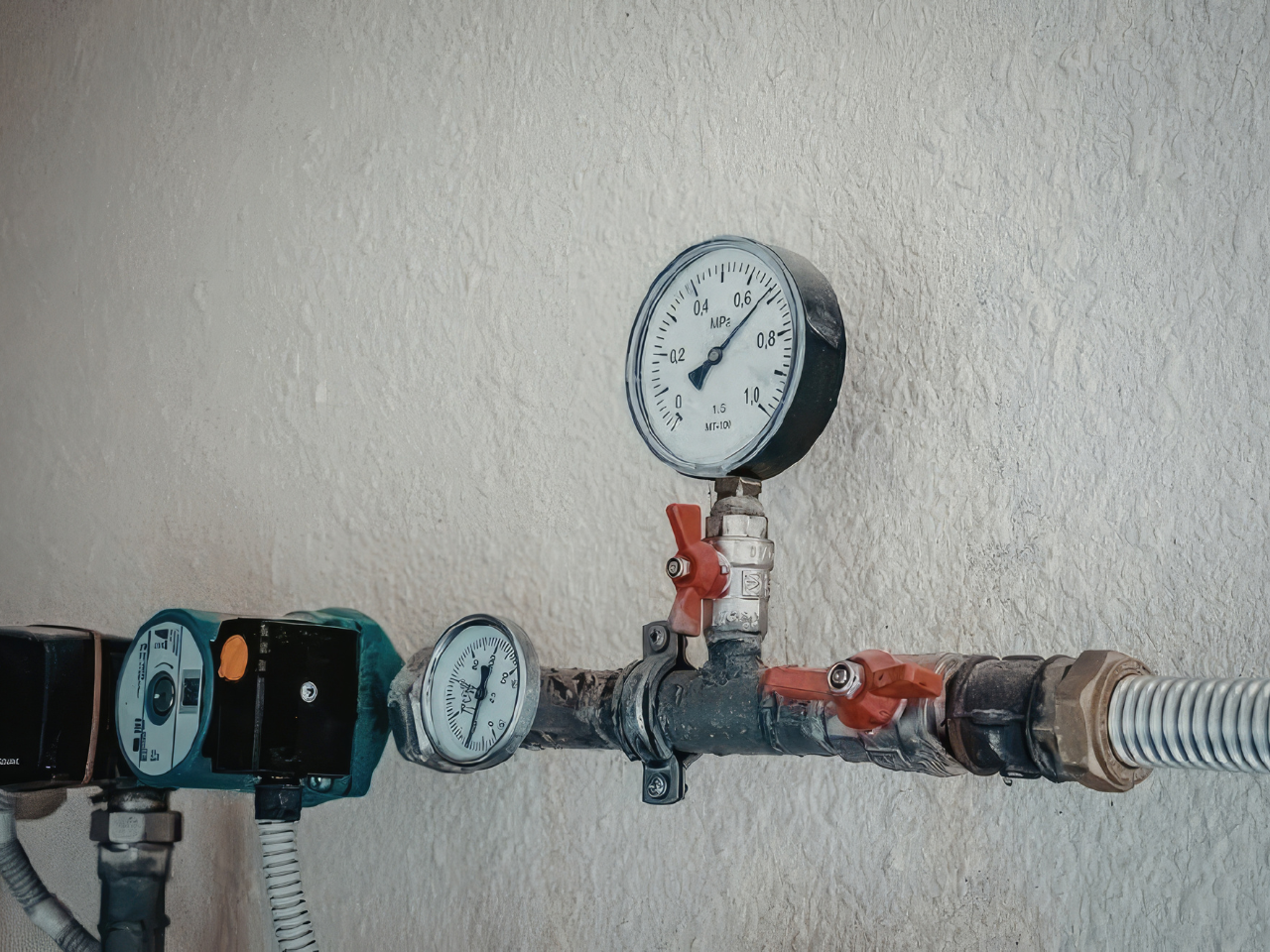
Installing New Gas Appliances
One of the most common situations is installing a new gas appliance.
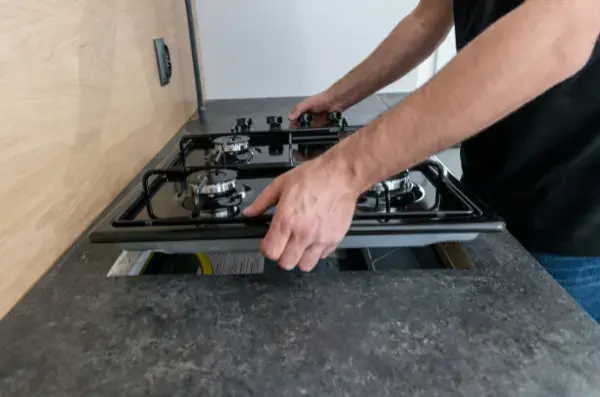
Whether it is a cooktop, oven, heater, hot water system, or outdoor BBQ connection, the installation generally needs to be tested and certified by a licensed gas fitter before the appliance can be safely used.
The certificate confirms the appliance has been connected correctly and the gas system is operating safely.
Renovations & Alterations To Existing Gas Installations
Renovation work often involves modifying existing gas systems without homeowners realising it.
A kitchen layout changes. A gas cooktop gets relocated. Pipework is extended to suit a new appliance location. Walls are opened up and older fittings are uncovered behind cabinetry.
Once gas installations are altered or extended, updated compliance requirements may apply.
This is particularly important in older properties where previous gas work may not have clear documentation or where ageing components need replacing.
Reconnecting A Gas Supply
If a property has been disconnected from the gas network for an extended period, the network provider may request updated compliance documentation before reconnecting the supply.
This commonly occurs in older homes, vacant properties, or situations where appliances and gas systems have changed since the last active connection.
A gas compliance inspection helps confirm the installation is still safe to operate before the gas is turned back on.
Caravan & LPG Gas Systems
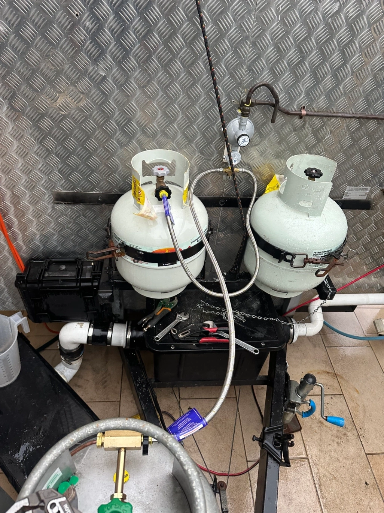
Gas compliance requirements are different for non-network gas installations such as caravans and LPG systems.
Unlike homes connected to mains gas, these systems usually require a certificate of inspection rather than a standard certificate of compliance.
This often applies to:
- caravans
- camper trailers
- mobile food vans
- portable LPG systems
- gas bottle installations
These installations may also require compliance plates attached to the system after inspection.
Because caravan and LPG setups are exposed to movement, vibration, weather, and regular transport, inspections play an important role in maintaining safety over time.
Selling A Property
Gas compliance questions often come up during property sales, particularly where renovations or appliance upgrades have been completed over the years.
Buyers, inspectors, or solicitors may ask whether gas installations were completed by a licensed gas fitter and whether certificates exist for previous work.
Having proper compliance documentation can help avoid delays and uncertainty if questions arise during the sale process.
Rental Properties & Landlord Responsibilities
Landlords are responsible for maintaining safe gas installations within rental properties.
Over time, appliances, fittings, and pipework can deteriorate — particularly in older homes. Many landlords arrange periodic gas inspections to ensure installations remain safe and compliant for tenants.
Even where updated certification is not immediately required, inspections can help identify issues early before they become larger safety or liability concerns.
Certificate Of Compliance vs Certificate Of Inspection
People often confuse these two documents.
The difference usually comes down to whether the gas installation is connected to a gas network.
Certificate Of Compliance
A certificate of compliance is generally used for gas installations connected to mains gas or a gas network.
After completing the gasfitting work, the licensed gas fitter must:
- test the installation for defects
- confirm the installation complies
- submit the certificate through the BCNSW eCert portal
Certificate Of Inspection
A certificate of inspection is used for non-network gas installations.
This commonly applies to:
- caravans
- camper trailers
- LPG systems
- portable gas setups
- mobile food vans
For these installations, the gas fitter must:
- inspect appliances and regulators
- test the installation for defects
- attach a compliance plate
- provide inspection documentation to the owner
This is why caravan gas systems often require both a certificate of inspection and compliance plates.
What Are Compliance Plates?
Compliance plates are used on certain gas installations to record important information about the system and the work completed.
The plate may include appliance information, installation details, gasfitter licence information, and classification codes relating to the appliance type.
Compliance plates are commonly associated with:
- caravan gas systems
- LPG installations
- mobile gas setups
- non-network gas installations
For many caravan owners, the first introduction to gas compliance requirements is during a compliance plate inspection.
Gas Compliance Certificates & The BCNSW eCert Portal
As of March 2026, gasfitters in NSW are required to submit certificates of compliance and certificates of inspection through the BCNSW eCert portal.
Older methods such as emailed PDFs and paper-based certification books are no longer accepted.
The updated digital system helps improve record keeping, simplify compliance tracking, and maintain accurate documentation for gas installations across NSW.
For homeowners and property owners, this means certification records are now managed through an official digital system rather than relying solely on physical paperwork.
Why Gas Compliance Matters
Gas compliance is ultimately about safety.
Improper gas installations can create serious risks including gas leaks, ventilation problems, appliance faults, and carbon monoxide hazards. In some cases, issues may remain hidden for years before they are discovered during renovations, inspections, or appliance replacements.
Compliance certificates also provide important documentation for insurance purposes, future property sales, warranty claims, and liability protection.
For many homeowners, the value is knowing the gas installation has been properly inspected and tested by a licensed professional.
Why Professional Gas Inspections Matter
Gas systems are easy to overlook when everything appears to be working normally.
But many problems are not immediately visible.
Ageing fittings, damaged regulators, deteriorated pipework, undocumented modifications, and poor ventilation can all exist behind walls or around appliances without obvious warning signs.
Professional gas inspections help identify these issues before they become larger safety or compliance problems.
That is particularly important in older homes, renovated properties, rental properties, and caravan LPG systems where installations may have changed over time.
Frequently Asked Questions
Who can issue a gas compliance certificate?
Only a licensed gas fitter can issue gas compliance certificates and certificates of inspection in NSW.
Is a gas compliance certificate legally required?
In many situations, yes — particularly where gasfitting work has been completed on a network-connected gas installation.
How long does a gas compliance inspection take?
The inspection time depends on the size of the property and the complexity of the gas installation.
Do caravans require gas certificates?
Yes. Caravan gas installations commonly require a certificate of inspection and compliance plates.
What happens after the gas work is completed?
The gas fitter must test the installation, check for defects, and submit the required compliance documentation through the BCNSW eCert portal within the required timeframe.
Are gas compliance certificates important for insurance?
Yes. Proper compliance documentation may assist with insurance claims, warranty issues, and future property transactions.
Need Help With Gas Compliance In Sydney?
If you are installing gas appliances, renovating, reconnecting a gas supply, or dealing with older gas installations, it is important to make sure the work has been inspected and certified correctly.
Our licensed gas fitters provide gas compliance inspections, certificates of compliance, certificates of inspection, and gas safety checks across Sydney for residential, commercial, and LPG gas systems.
Call 02 8188 5396 or book online today to speak with a licensed gas fitter and arrange your gas compliance certificate.